
Our Team
Boise State Team
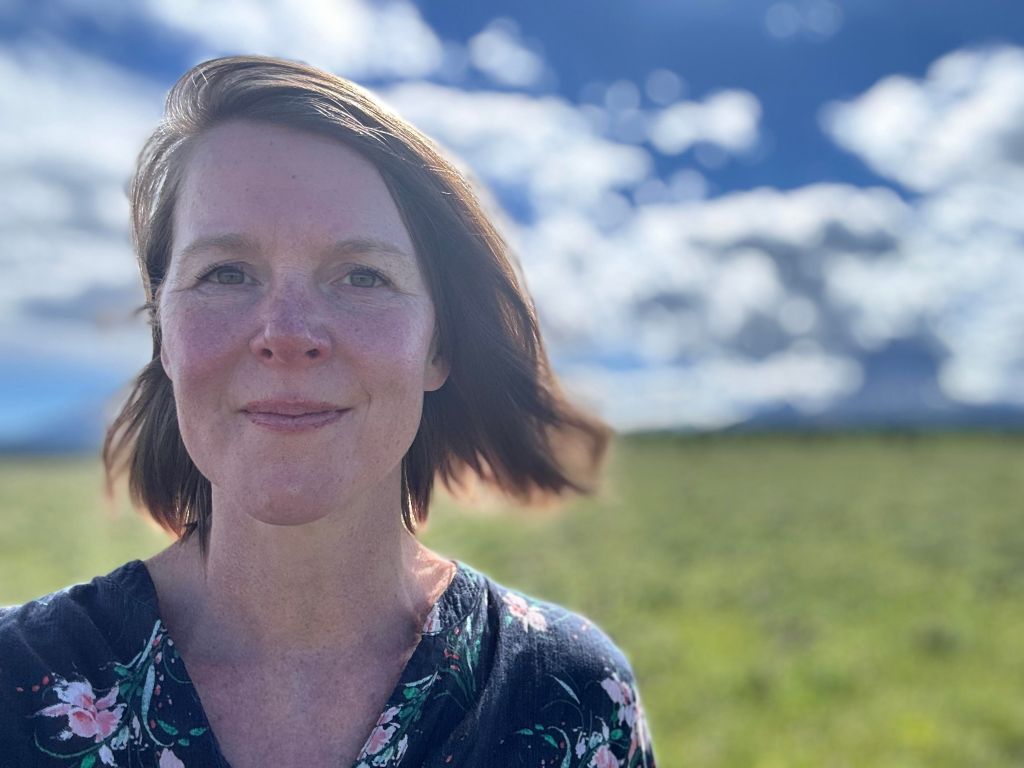
Libby Lunstrum
Principal Investigator, ILER Project
Professor, School of Public Service, Boise State University
libbylunstrum@boisestate.edu
Libby Lunstrum is a Professor of Environmental Studies and Global Studies at Boise State University, and the Principal Investigator on the Indigenous Led Ecological Restoration (ILER) project. A Geographer and Political Ecologist by training, her work examines the human dimensions of biodiversity conservation including the illegal wildlife trade (IWT), green militarization, the impact of conservation on local and Indigenous communities, and Indigenous-led conservation. She has conducted extensive work across the Mozambique-South Africa borderlands.
Her current research supports Blackfoot-led buffalo restoration across the US-Canada border in Blackfoot Territory and post-war ecological restoration in Mozambique’s Gorongosa National Park. She has been building relationships with Blackfoot collaborators since 2014, and officially launched the ILER project in 2020 with a grant from the National Science Foundation.
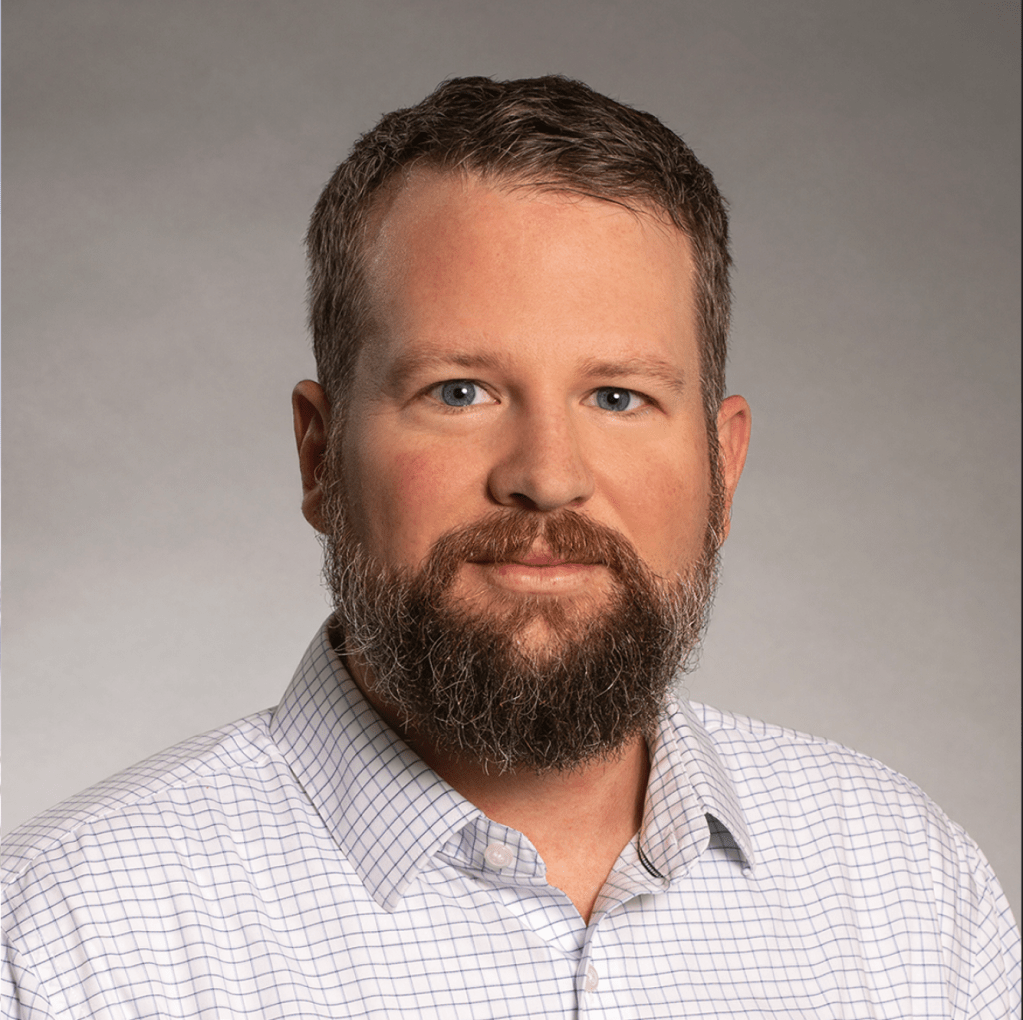
Matt Williamson
Co-PI, ILER Project
Assistant Professor, Human Environment Systems, Boise State University
Matt is a conservation scientist interested in understanding how the interactions between people, their environment, and the institutions that govern them inspire (or inhibit) conservation action and how that impacts their effectiveness. His work relies on integrating theories from social psychology, public policy, and landscape ecology with diverse datasets to develop spatial models of conservation action at multiple scales to improve outcomes for biodiversity and people.
Matt holds a Ph.D. in Ecology from the University of California, Davis and has held several conservation science fellowships, including as a Liber Ero Fellow, a Wilburforce Foundation Conservation Science Fellows, and a Switzer Foundation Environmental Fellows. As the co-PI on the ILER project, Matt is responsible for the geospatial aspects of the project, examining the spatial implications of colonial land fragmentation.
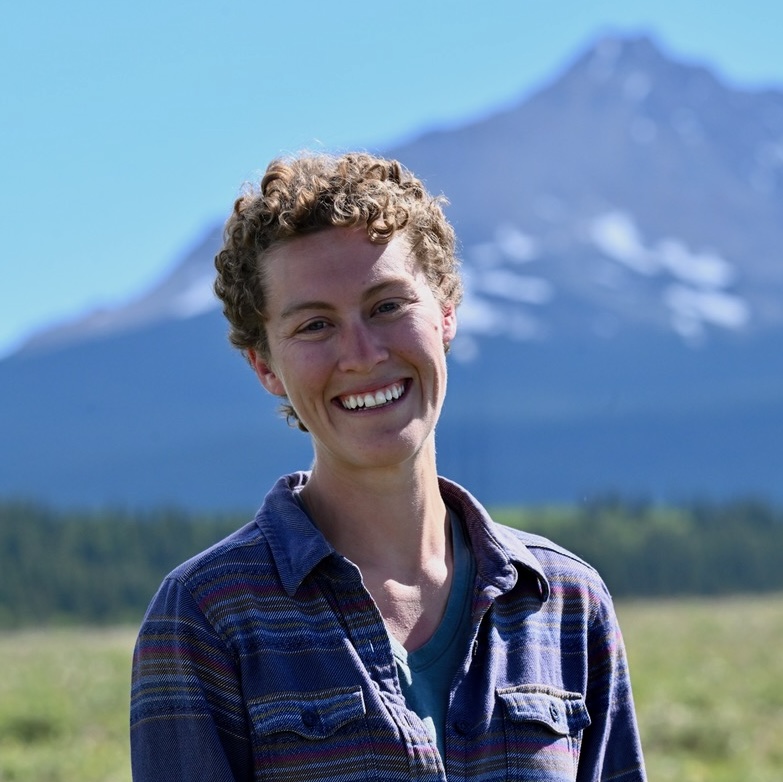
Madison (Maddi) Stevens
Postdoctoral Research Scholar, ILER Project
Boise State University
madison.stevens@montana.edu
Maddi is an environmental social scientist who applies community-engaged methods to study community-led biodiversity conservation, ecological restoration, and human-wildlife coexistence. She began working on the ILER project in 2022 as a postdoctoral research scholar, holding key responsibilities for coordinating and building relationships with research partners; collecting and analyzing qualitative data; leading and contributing to research outputs; and mentoring students. As a core member of the ILER team, she continues to build on these findings to conduct research on 1) strategies for fostering coexistence with bison in Montana, and 2) advancing ethical co-authorship practices with Tribal partners.
Maddi earned her Ph.D. (2023) from the Institute for Resources, Environment, and Sustainability, University of British Columbia, where her research focused on environmental decision-making in the contexts of community forest governance in the Indian Himalayas and nonprofit conservation planning in Canada. She also brings expertise in collaborative research methodologies, research ethics, and environmental assessment, including as a co-author on the Canadian Mountain Assessment and IPCC Sixth Assessment Report: Cross-Chapter Paper on Mountains.
Advisory Board Members
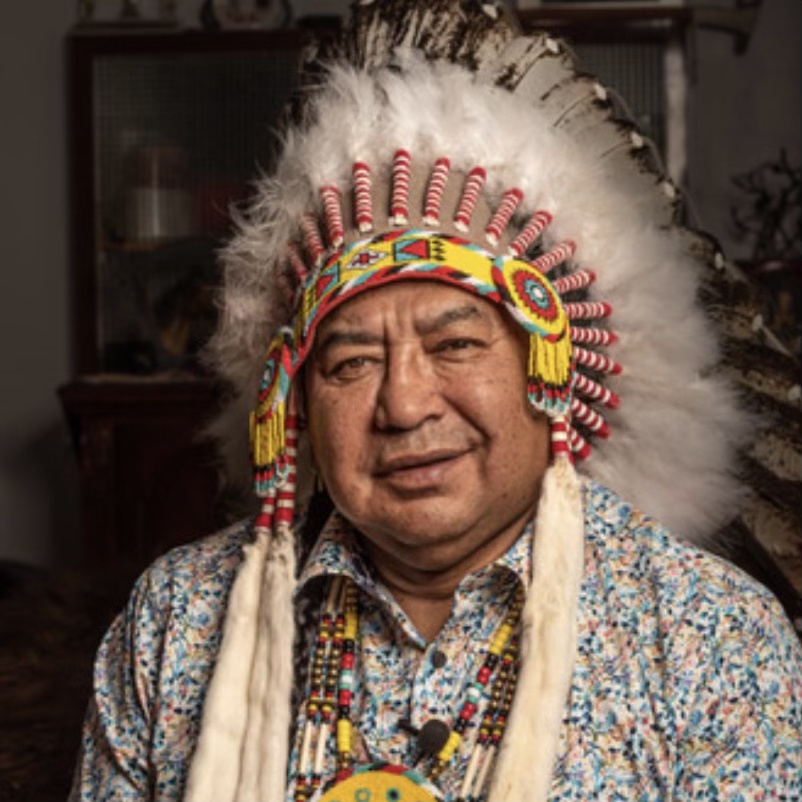
Treffrey Deerfoot (Aissikotoyomahka)
Siksika Nation (Blackfoot)
Artist, Ceremonialist, Storyteller, Dancer, Singer, Drummer
I am from Siksika Nation and from the “Run Away Buffalo Clan”. The territory we occupied was where the two river meet Bow and Elbow in the spring and summer; and the Banff corridor in the fall and winter seasons. I have formal western post secondary education but my world is defined by oral Blackfoot way of life. I have part taking in piercing Sundance, Horn Society (leader of Straight Up Headdresses), caregiver of Beaver bundle and have enjoyed the Prairie Chicken dance since I was able to walk. The Blackfoot way of life has been etched into the way l see the world from the lens of my Ancestors. In the Medicine Wheel observation it is our responsibility to pass on our knowledge to others. Today I hope to give my understanding of traditional ways and western thoughts in guiding our trail of life. It is the gathering of knowledge and making informed decisions which our Ancestors left for us. I am the Chair of the Sacred Tobacco Collaboration with Alberta Health Services, Canadian Cancer Society and ASH (Action on Smoking & Health). Also an Elder for the National Aboriginal Diabetes Association (NADA), and regularly speaks at schools sharing the knowledge of our Blackfoot way of life. Lastly, initiated the Traditional Healing Circle for Men for Siksika Health Services.
Kim Paul (Misam Saipiyi Aakii – Long Time Charging Woman), MS, PhDc
Amskapi Piikani (Blackfeet Nation)
Founder and Co-ED, Piikani Lodge Health Institute (PLHI)
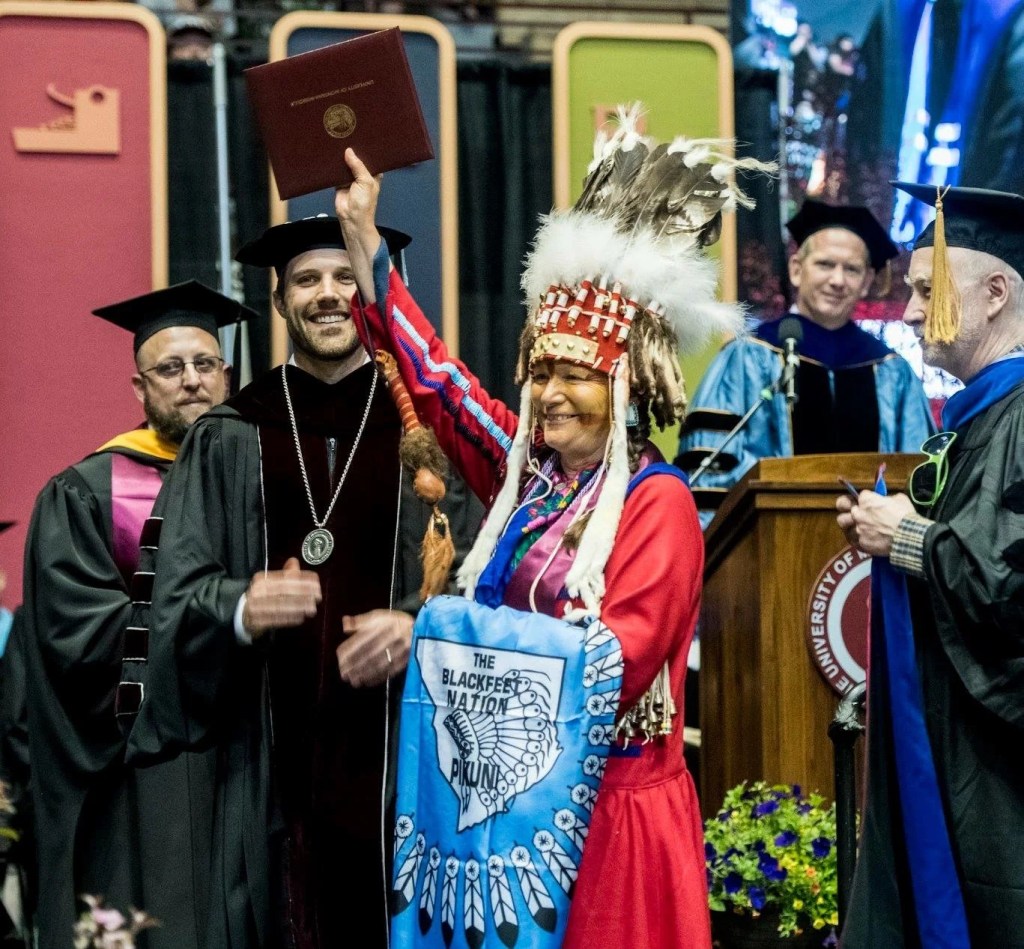
Kim carries cultural and academic knowledge as a Blackfoot scholar and community leader. A mother of four and grandmother of 14, Kim is an enrolled member of the Blackfeet Nation, properly known as the Amskapi Piikani. A long-standing member of Blackfeet traditional societies and ceremony, Kim has dedicated her life and the mission of PLHI to all-biosystems wellness within Blackfeet Homelands. Appointed by the Blackfeet Tribal Business Council, she additionally serves as a member of the Blackfeet Nation Institutional Review Board (BNIRB), was a two-term appointed member of the National Institutes of Health (NIH) Tribal Advisory Committee and an appointee of the National Oceanic and Atmospheric Administration (NOAA) Climate Services Advisory Committee. Kim brings extensive STEM research experience to this project, with an undergraduate degree from the University of Montana in research psychology and pre-medicine, an Interdisciplinary MS in environmental chemistry and Native American studies, and has completed all doctoral work and research within an Interdisciplinary PhD in biochemistry, biomedical science and public and community health (defending April 2026).
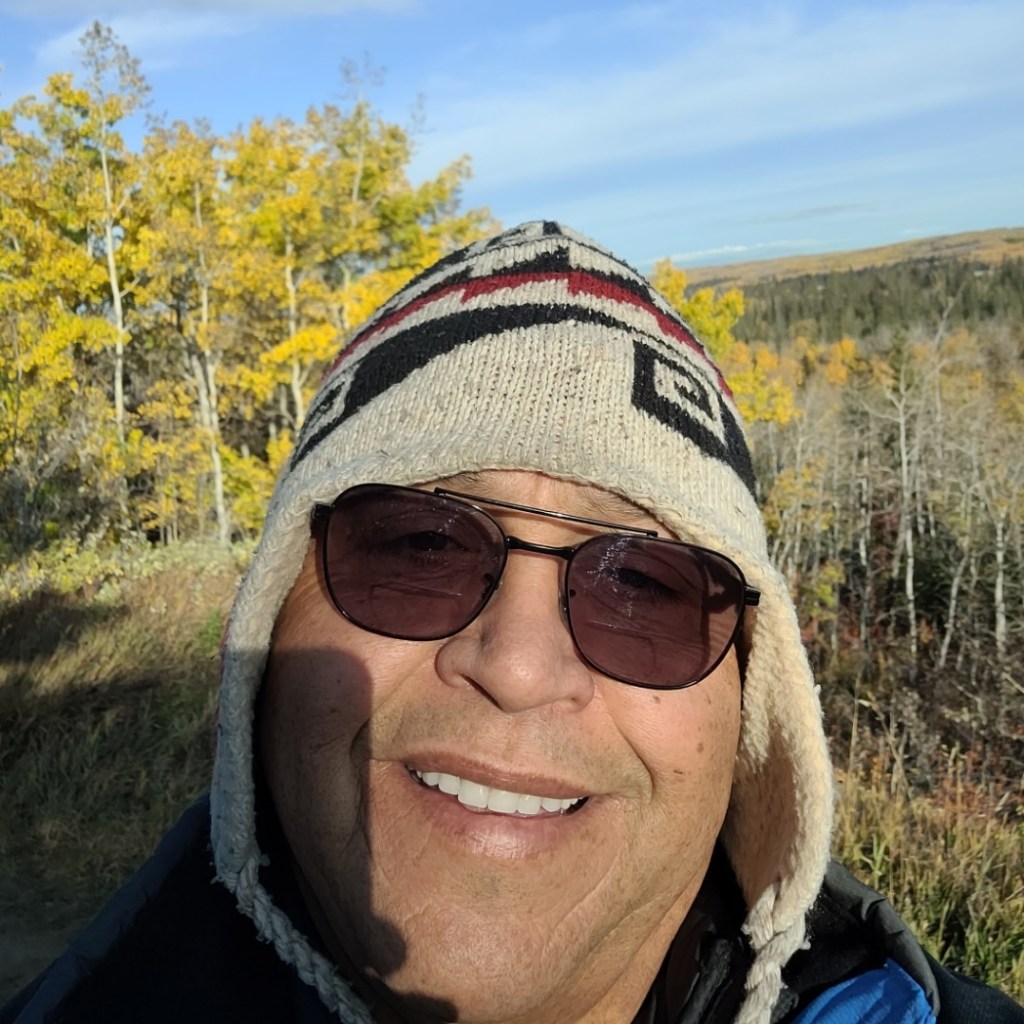
Harley Bastien
Piikani First Nation (Blackfoot)
Environmental consultant and owner/operator of Buffalo Rock Tipi Camp
Piikani elder Harley Bastien is from the Piikani First Nation located in southwest Alberta. Harley was born in the Piikani nation and spent his childhood being raised in the Blackfoot traditions and way of knowing.Harley was raised in the Oldman’s river valley where he was thought by his family to live in harmony and balance with nature and creation. Today Harley can be found in the Oldman’s river valley teaching and sharing with others what he learned as a child. Harley has over 30 years of environmental experience working in the environmental industry. As a business owner providing environmental services to a wide range of clients including the oil and gas industry, sustainable and renewable energy projects both nationally and internationally. Harley also participates on many advisory boards and panels that includes federal and provincial governments, private sector and educational institutes and local nonprofit environmental organizations.
Helen Augare Carlson
(Maimiiohtsikimiiaki – Magpie Woman)
Amskapi Piikani (Blackfeet Nation)
Institutional Development Title III Director, Native Science Field Center Blackfeet Community College
Helen Augare Carlson is a Tribal educator, ceremonial knowledge holder, and buffalo herd caretaker. Ms. Carlson grew up on the Blackfeet Reservation and is an enrolled member of the Amskapi Piikani Blackfeet Tribe. As a Blackfoot knowledge holder, she holds the Ksisktahkii Mopistan Beaver Bundle and the Ponoka Iikokan (Elk Painted Lodge) with her husband. They also care for a small private herd of buffalo on the Blackfeet Reservation. She serves as the Institutional Development Title III Director of the Native Science Field Center and Department Head for Piikani Studies at BCC. As an advisor and subaward PI on the ILER project, she has overseen the student project, mentoring Blackfoot students involved in the project and supporting synergies with research taking place at BCC.
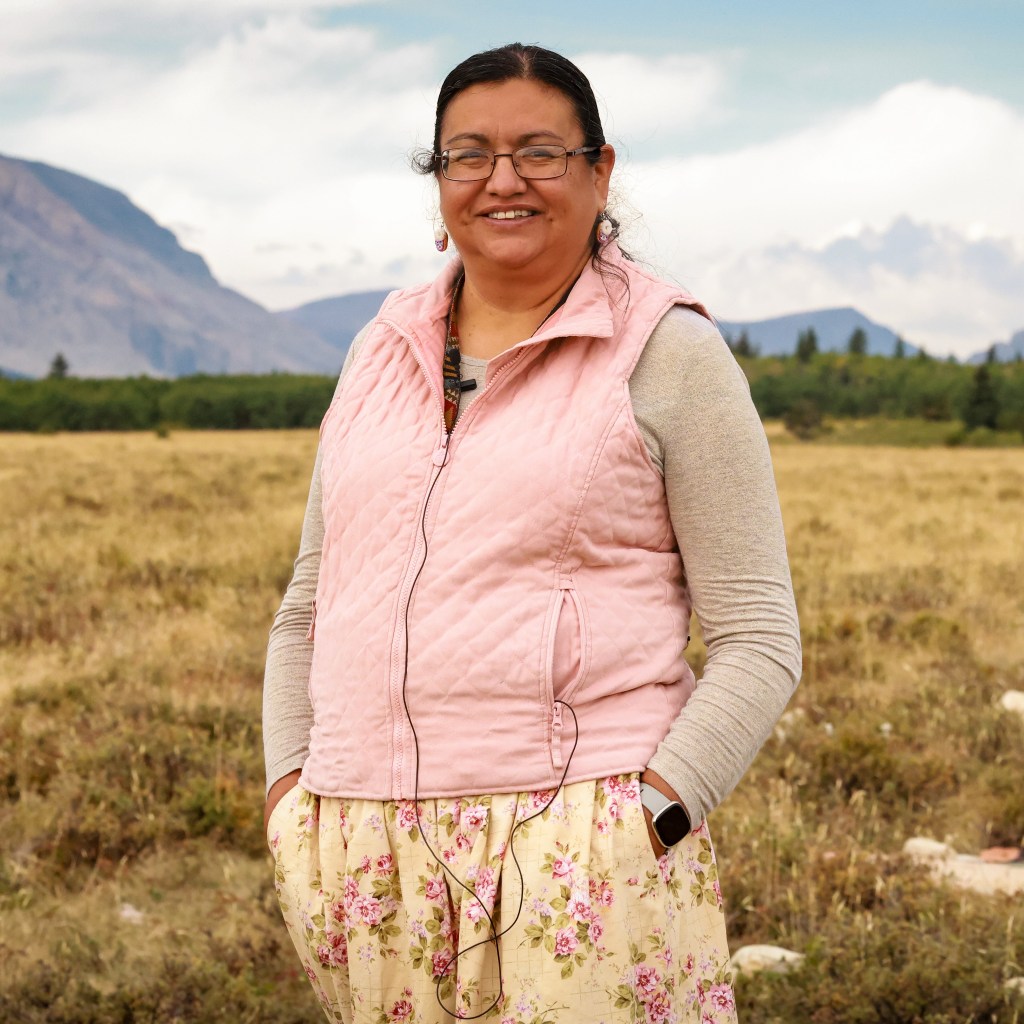

Paulette Fox (Natowaawawahkaki
–Holy Walking Woman)
Kainai Nation (Blood Tribe, Blackfoot)
[Bio coming soon]
Students
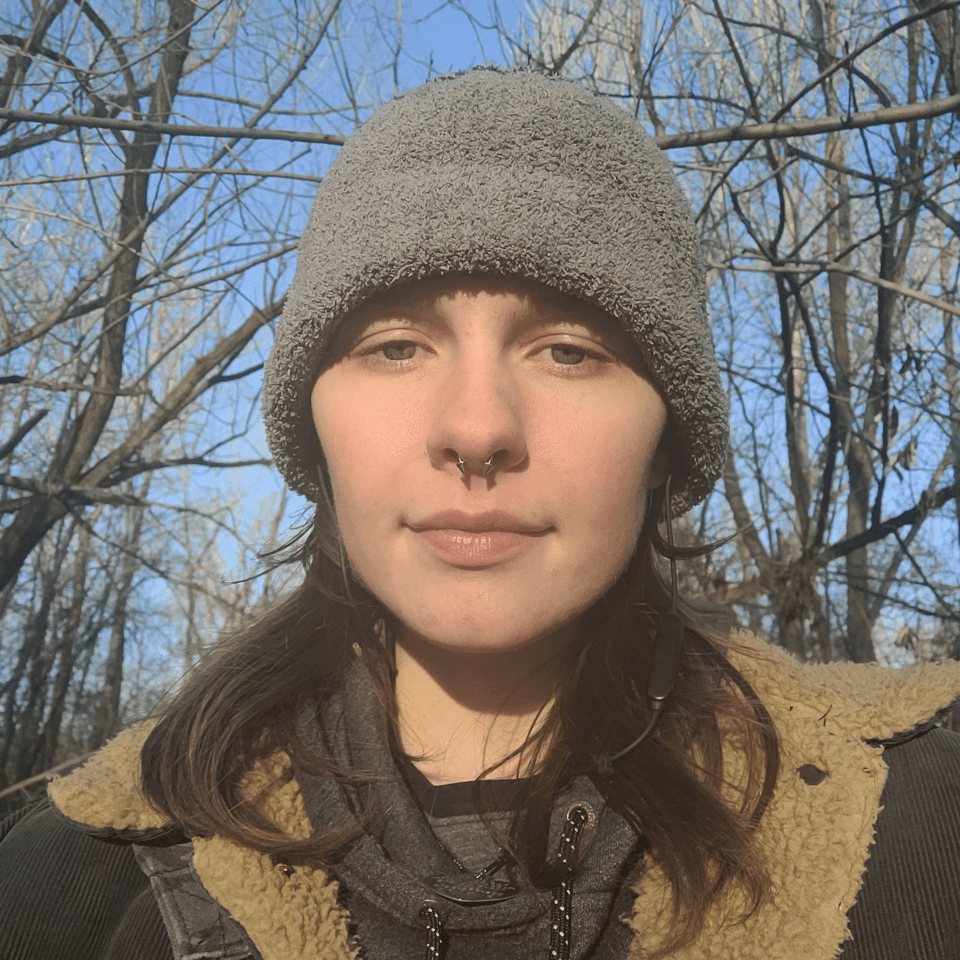
Romi Bekeris
Research Assistant
Boise State University
Romi is a Research Assistant for the ILER project and a senior undergraduate student at Boise State University. They are pursuing a Bachelor of Science in Interdisciplinary Studies, and hope to combine their three study areas of Biology, Environmental Studies, and Climate Studies to become a well-rounded environmental researcher. As part of the ILER team, Romi has been involved in transcribing interviews and synthesizing academic literature to support project outputs.
As an adopted member of the Tlingit Tribe, they hope to eventually return to their hometown, Sitka, Alaska, to work for their tribe in furthering the restoration of marine species such as salmon and herring. As a member of the ILER project, they have been interested in learning about the ways that Indigenous-led initiatives vary in their goals and methods when it comes to buffalo, and they have been thinking about ways that salmon and herring restoration might be improved by looking to positive examples of buffalo restoration.
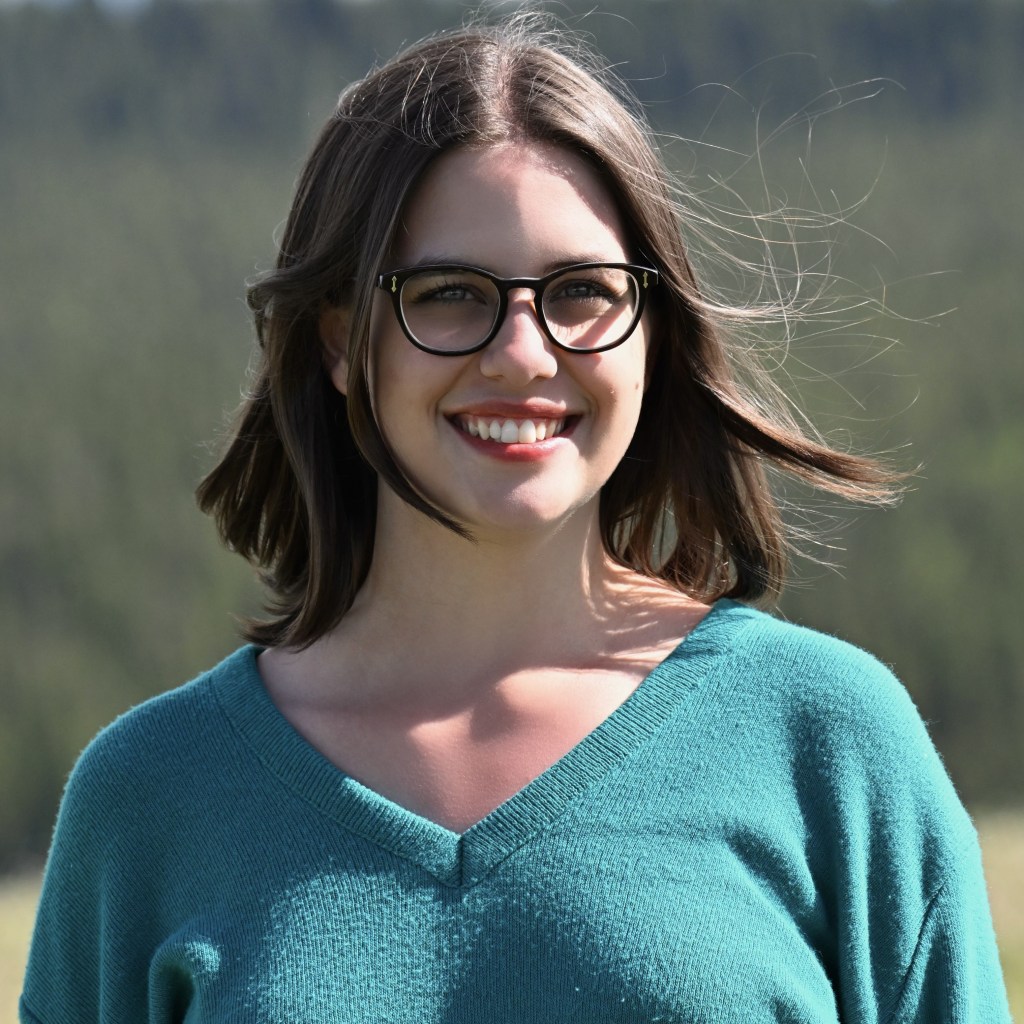
Sarah Pearce
Research Assistant
Boise State University
Sarah is a Research Assistant on the ILER project and an undergraduate student at Boise State University, majoring in Computer Science with an emphasis in Cybersecurity. As a Research Assistant, most of her work has been centered around the design and development of the ILER website, alongside various other project components such as interview transcription and resource compilation.
Sarah believes that centering Indigenous voices in conversations surrounding environmental restoration is crucial, and is proud to be a part of a project that reflects that. She is passionate about ecological restoration and has been a part of several climate initiatives, including the Boise Youth Climate Strike.
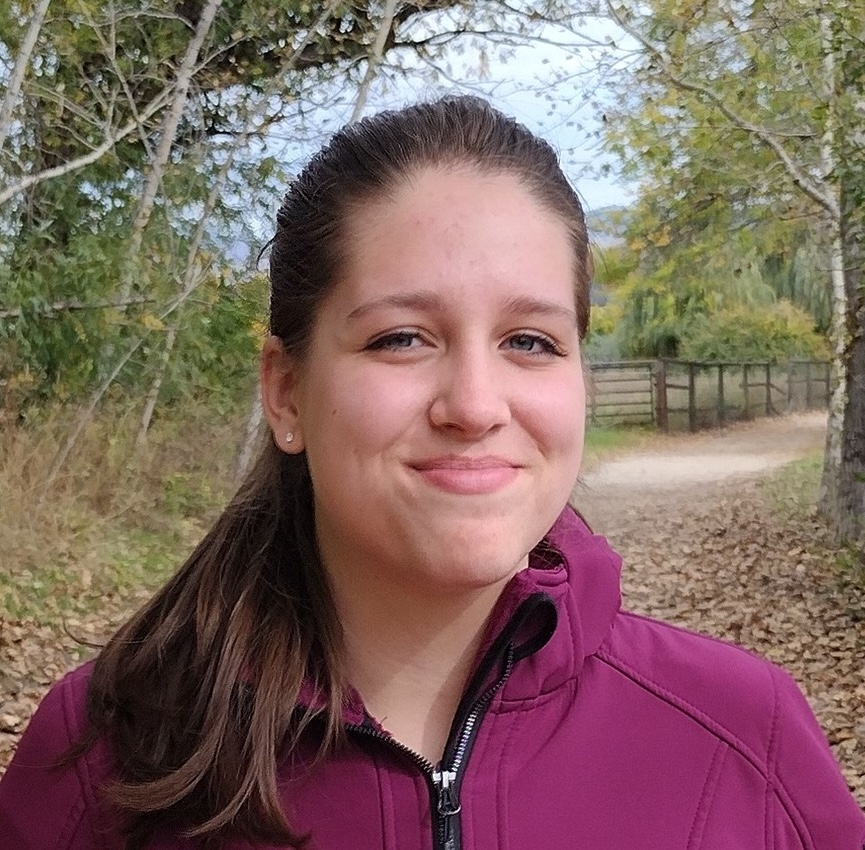
Natalie Brooks
Research Assistant
Boise State University
Natalie works as a research assistant for the ILER project, working primarily on interview transcriptions. Natalie was born in Colorado Springs, Colorado and grew up in Edmond, Oklahoma and Ahwatukee, Arizona next to the Gila River Indian Reservation. From moving often she adopted a large appreciation and interest in learning about different cultures. In all three places she had opportunities to learn from significant elements of Indigenous cultures, past and present, through Tribal influences in Oklahoma as well as Indigenous artifacts and pictographs in Arizona (Ahwatukee foothills) plateaus. She is grateful for the experience of listening to Indigenous voices and understanding their experiences while being able to help with a project focused on helping underrepresented voices be heard.
Natalie is working towards a Bachelors degree in Business Management with an emphasis on non-profit organizations. Natalie hopes to get a Master’s degree and spend her career working with communities and providing research focused services.
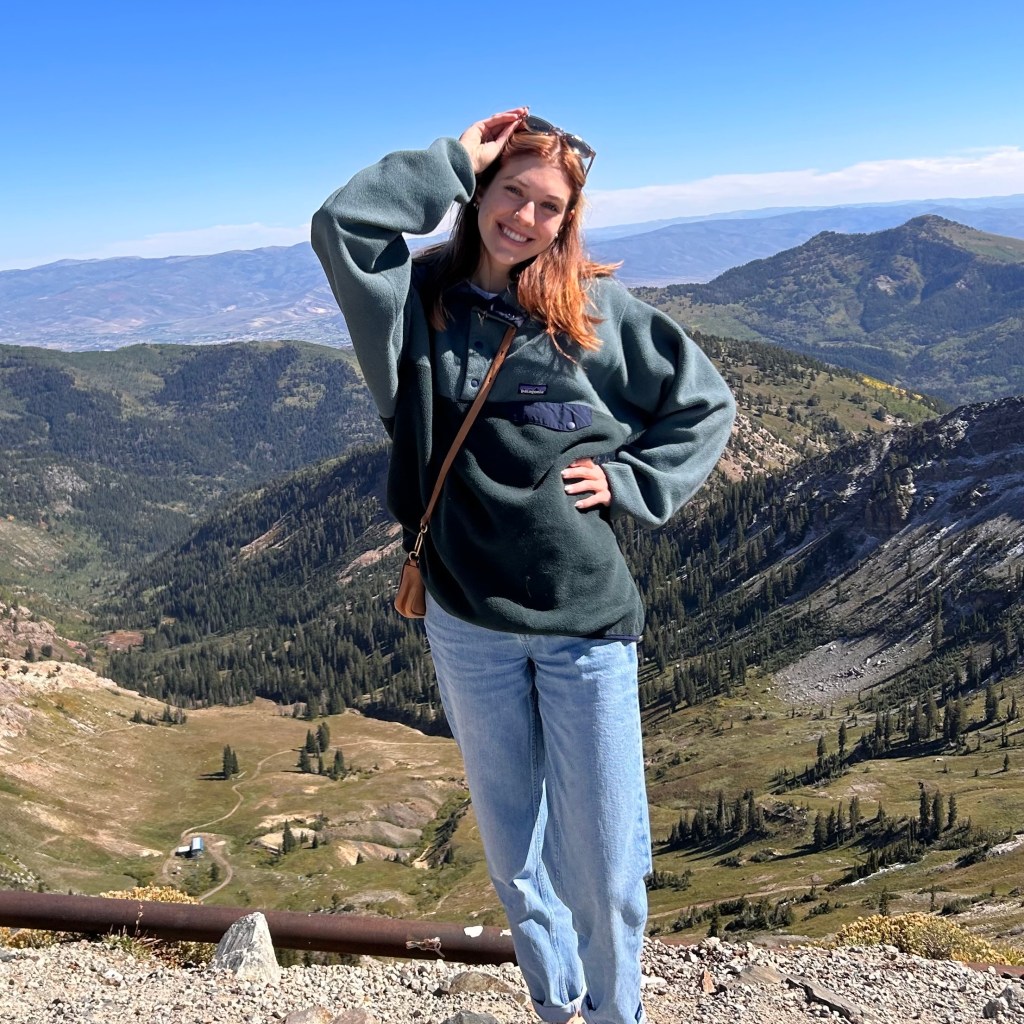
Annabel Christiansen
Research Assistant
Boise State University
Annabel is a Research Assistant on the ILER project and an undergraduate student at Boise State University, majoring in Environmental Studies with a minor in Urban Studies and Community Development. She is also pursuing a certificate in Environmental Education. Annabel has many research interests, including Indigenous-led conservation, environmental justice, and co-management between Western and Indigenous institutions/actors.
Annabel feels a strong sense of connection with her work as a research assistant, and believes that Indigenous voices should be heard and amplified in conversations surrounding conservation and sustainability.
Brandi Harwood
Amskapi Piikani (Blackfeet Nation)
Undergraduate student in Health Sciences, Blackfeet Community College
[Bio coming soon]


Designed with WordPress
Please cite this website as: Lunstrum, E., M. Stevens and S. Pearce (2024). “Indigenous-Led Ecological Restoration (ILER) Project Website.” https://iler-project.com/.
 Indigenous Led Ecological Restoration