
Indigenous Led
Ecological Restoration
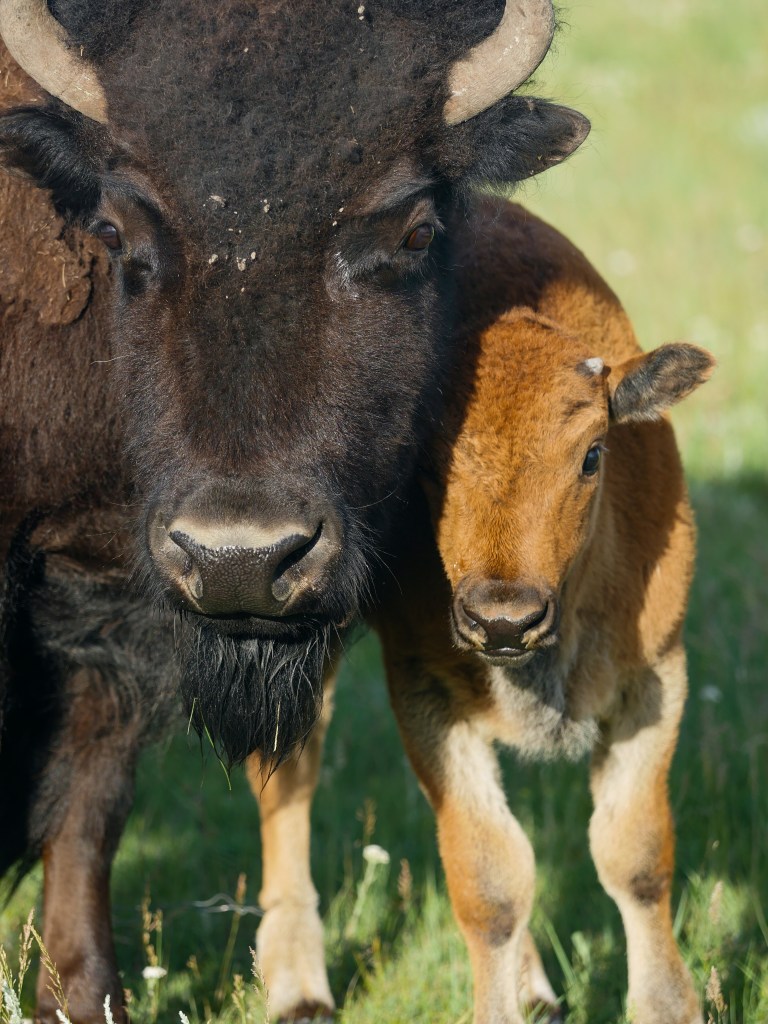
Grounded in the experience of the Iinnii Initiative, ILER is designed to
support Blackfoot-led buffalo restoration by answering core questions
using qualitative and geospatial data, led by team of environmental
social scientists at Boise State University in partnership with Blackfeet
Community College and guided by an advisory board of Blackfoot Elders.
How do Indigenous-led restoration projects confront the institutional and environmental legacies of colonialism to restore ecologically and culturally significant species like buffalo?

Dialogue
Interviews and Elder Dialogue shed light on how Blackfoot-led buffalo restoration efforts weave Indigenous and Western knowledges, confront legacies of colonial settlement, and work to decolonize conservation thought and practice.

Geospatial Analysis
Geospatial analyses show how projects like the Iinnii Initiative negotiate jurisdictional fragmentation—or the patchwork of land into national parks, forests, other public lands, and private lands—to enable adequate habitat for reintroduced buffalo.

Students
The student project has trained and supported two Blackfeet Community College students to engage in dialogue with Blackfoot Elders to collaboratively share their community’s story of iinnii restoration through multimedia storytelling.
Our Project
The project advances geographic theory and methods across Indigenous studies, political ecology, and conservation biology by examining the ways in which Indigenous Peoples are leading innovative conservation efforts that jointly support Indigenous ecological, cultural, and political goals.
The study supports the Iinnii Initiative by providing qualitative and geospatial data that can assist their bison reintroduction efforts and by charting best practices in successful Indigenous-led restoration based on scholarly, policy, and popular literature.



Designed with WordPress
Please cite this website as: Lunstrum, E., M. Stevens and S. Pearce (2024). “Indigenous-Led Ecological Restoration (ILER) Project Website.” https://iler-project.com/.
 Indigenous Led Ecological Restoration